Meenakshi Hospital Launches Awareness and Screening Initiative to Tackle Rising Cases of Chronic Kidney Disease of Unknown Cause among Delta Farmers
- CKDu is increasingly reported among farmers in Indian agricultural hotspots, with heat stress, agrochemical exposure, and environmental toxins suspected as key contributors.
- The hospital launches an outreach programme to identify CKDu risk factors early, raise awareness among farmers, and promote preventive interventions in the delta region.
Thanjavur, March 12, 2026: Meenakshi Hospital, Tanjore, has launched a dedicated initiative to address the growing risk of Chronic Kidney Disease of Unknown Cause (CKDu) among farmers in the Cauvery delta region. CKDu is a form of kidney disease that occurs without traditional risk factors such as diabetes or hypertension and is increasingly being reported among agricultural workers in India and globally.
The hospital will deploy a specialised medical team to raise awareness about kidney health, identify potential risk factors linked to heat stress and environmental exposure, and conduct basic screening tests for early detection of kidney disease among farmers. The outreach programme is expected to cover over 10,000 farmers in the Cauvery delta region within a year.
Launched on the eve of World Kidney Day 2026, the initiative comes amid rising concerns over CKDu among farming communities in general across the country. A recent study among about 600 agricultural workers in the Cauvery delta region indicated a prevalence of around 2%. A hospital-based registry from Puducherry reported a 52% prevalence among its CKD patients’ cluster, while the CKDu AGRI study found a 2.66% prevalence among agricultural labourers in parts of Puducherry and Tamil Nadu.
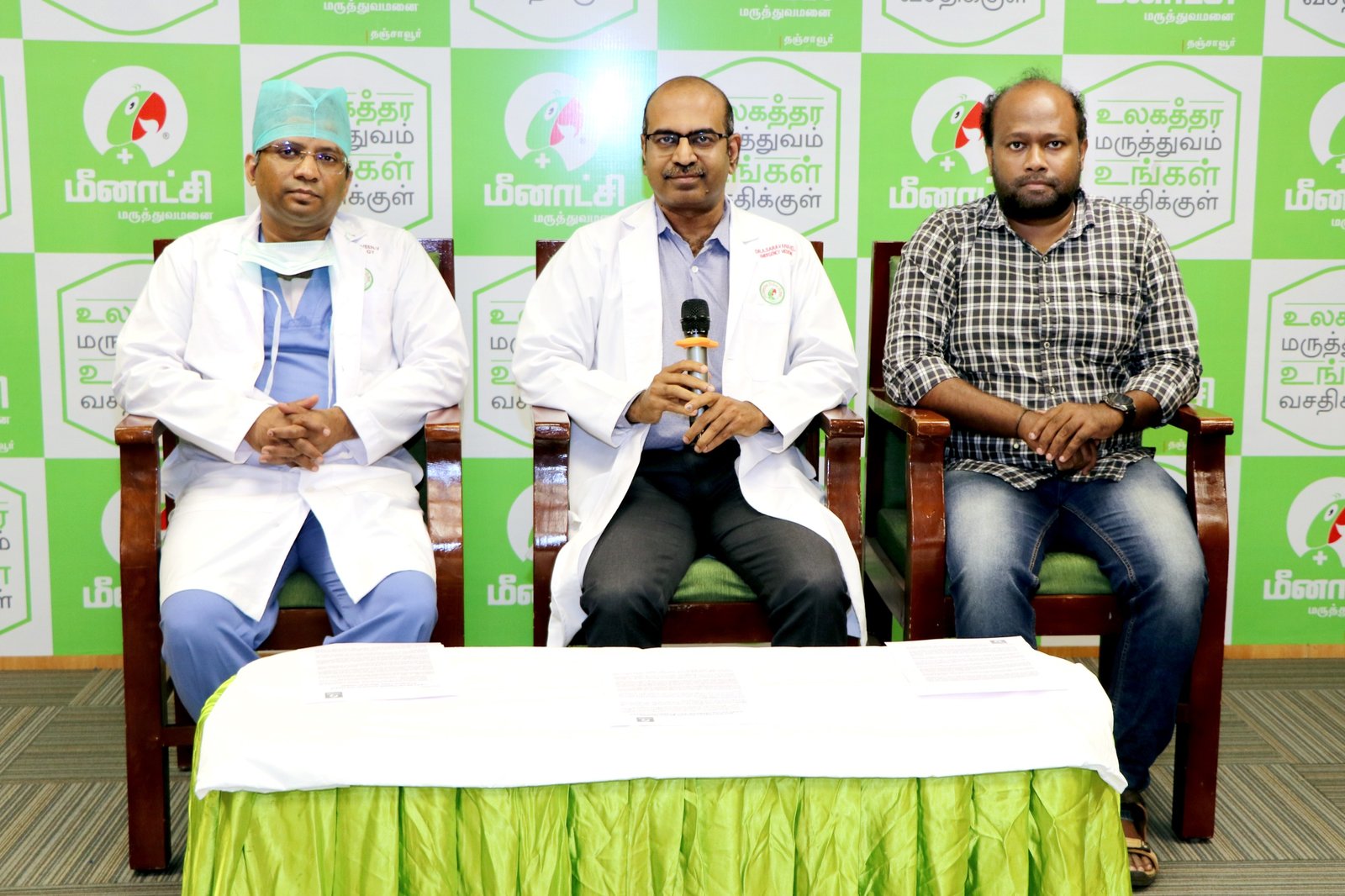
Addressing the press meet, Dr. S. Gowri Shankar, Consultant – Nephrology, Meenakshi Hospital Thanjavur, said CKDu has emerged as a serious yet often overlooked contributor to the global burden of chronic kidney disease. While diabetes and hypertension remain leading causes of kidney failure, CKDu presents a complex challenge because it affects individuals – particularly agricultural workers who do not have these traditional risk factors. The disease often progresses silently and may reach advanced stages before detection, with severe consequences for families and rural communities.
Although the exact cause remains unclear, factors such as heat stress, dehydration, exposure to agrochemicals, heavy metals, contaminated water, and limited access to healthcare are believed to play a role. CKDu has been commonly reported among agricultural workers in hot environments, including those working in sugarcane and cashew fields, with some studies suggesting that higher ambient temperatures during July and September may increase the risk of renal injury.
Dr. Gowrishankar said the hospital’s outreach programme aims to address the issue through community awareness, early screening, research, and stronger surveillance systems. “Through this initiative, we hope to work with policymakers and local communities to prioritise CKDu, promote early detection, and improve environmental and occupational safeguards so that we can reduce the burden of kidney disease and move closer to the goal of kidney health for all,” he said.
Globally, chronic kidney disease affects more than 850 million people and is among the leading causes of death. Registry data also shows that CKDu accounts for 19.5% of chronic kidney disease cases, making it the second most common cause after diabetes (24.9%), highlighting the need to better understand and address non-traditional causes of kidney disease.
Experts also emphasised the importance of preventive measures to protect kidney health. Maintaining healthy blood sugar and blood pressure levels, staying physically active, following a balanced diet with reduced salt and processed foods, and maintaining a healthy body weight can significantly lower the risk of kidney disease. Adequate hydration helps the kidneys remove toxins, while avoiding smoking and limiting excessive use of painkillers such as Ibuprofen is also important.
Regular kidney check-ups, including blood tests such as serum creatinine and estimated Glomerular Filtration Rate (GFR) a test that measures how well the kidneys are filtering waste and excess fluid from the blood. Besides, urine analysis is also recommended, particularly for individuals at higher risk. Early detection can help prevent disease progression and reduce the need for dialysis.
Meenakshi Hospital is the only NABH-accredited private hospital in the delta region approved to perform renal transplants under the Tamil Nadu Chief Minister’s Comprehensive Health Insurance Scheme. The hospital also undertakes renal procedures under the Tamil Nadu New Health Insurance Scheme for government employees and pensioners.
Dr. V. Praveen, Deputy Medical Superintendent, Meenakshi Hospital Thanjavur and Dr S Kedhara Gowri, Associate Consultant – Nephrology, were also present during the press meet.